Ο ενεργειακός τομέας αποτελεί μία από τις πιο απαιτητικές βιομηχανίες παγκοσμίως. Απαιτεί υποδομές και εξοπλισμό ικανούς να λειτουργούν αξιόπιστα υπό ακραίες συνθήκες, χωρίς να επηρεάζονται οι κρίσιμες εσωτερικές διεργασίες.
Σε αυτό το πλαίσιο, ο δομικός χάλυβας για τον ενεργειακό τομέα διαδραματίζει καθοριστικό ρόλο.
Από τα κτίρια στροβίλων έως τις γεννήτριες ατμού, οι μεταλλικές κατασκευές αποτελούν τη ραχοκοκαλιά που υποστηρίζει τόσο τα μηχανικά συστήματα όσο και την ασφαλή και απρόσκοπτη λειτουργία των εγκαταστάσεων.
Σε αυτό το άρθρο, θα εξετάσουμε τον ρόλο του δομικού χάλυβα στον ενεργειακό τομέα, τους βασικούς τύπους, τις εφαρμογές, τα πρότυπα ασφάλειας και συμμόρφωσης, καθώς και κρίσιμες παραμέτρους σχεδιασμού και κατασκευής.
Ο Δομικός Χάλυβας ως Κρίσιμος Παράγοντας Επιτυχίας στον Ενεργειακό Τομέα
Οι ενεργειακές εγκαταστάσεις καλούνται να αντεπεξέλθουν σε εξαιρετικά απαιτητικές συνθήκες, όπως:
- βαριά στατικά και δυναμικά φορτία
- ισχυρούς ανέμους και σεισμικές δράσεις
- διαρκή μηχανική καταπόνηση και δονήσεις
- υψηλές πιέσεις και θερμοκρασιακές μεταβολές
- διάβρωση από νερό, χημικές ουσίες ή θαλάσσιο περιβάλλον
Ο δομικός χάλυβας είναι μοναδικά κατάλληλος για την αντιμετώπιση αυτών των προκλήσεων, καθώς συνδυάζει:
- Υψηλή αντοχή, ικανή να αντέχει σε μεγάλα φορτία
- Ολκιμότητα, καθώς παραμορφώνεται πριν αστοχήσει, αυξάνοντας την ασφάλεια
- Προβλεψιμότητα συμπεριφοράς, γνωστή και ελεγχόμενη από τους μηχανικούς
- Ταχύτητα κατασκευής, μέσω προκατασκευής σε εργοστάσιο και γρήγορης συναρμολόγησης επί τόπου
Οι ιδιότητες αυτές καθιστούν τον δομικό χάλυβα ιδανικό για κατασκευές μεγάλου ανοίγματος και σύνθετες εφαρμογές των ενεργειακών υποδομών.
Κύριες Εφαρμογές Δομικού Χάλυβα στον Ενεργειακό Τομέα
Εγκαταστάσεις Πετρελαίου και Φυσικού Αερίου
Τα περιβάλλοντα αυτά απαιτούν υψηλή φέρουσα ικανότητα, αντοχή στην κόπωση και αυξημένη προστασία από τη διάβρωση, ιδίως σε υπεράκτιες ή χημικά επιθετικές συνθήκες.
Ο δομικός χάλυβας χρησιμοποιείται για την κατασκευή:
- κατασκευών συγκράτησης σωληνώσεων
- μονάδων επεξεργασίας
- υπεράκτιων πλατφορμών
Σταθμοί Παραγωγής Ηλεκτρικής Ενέργειας
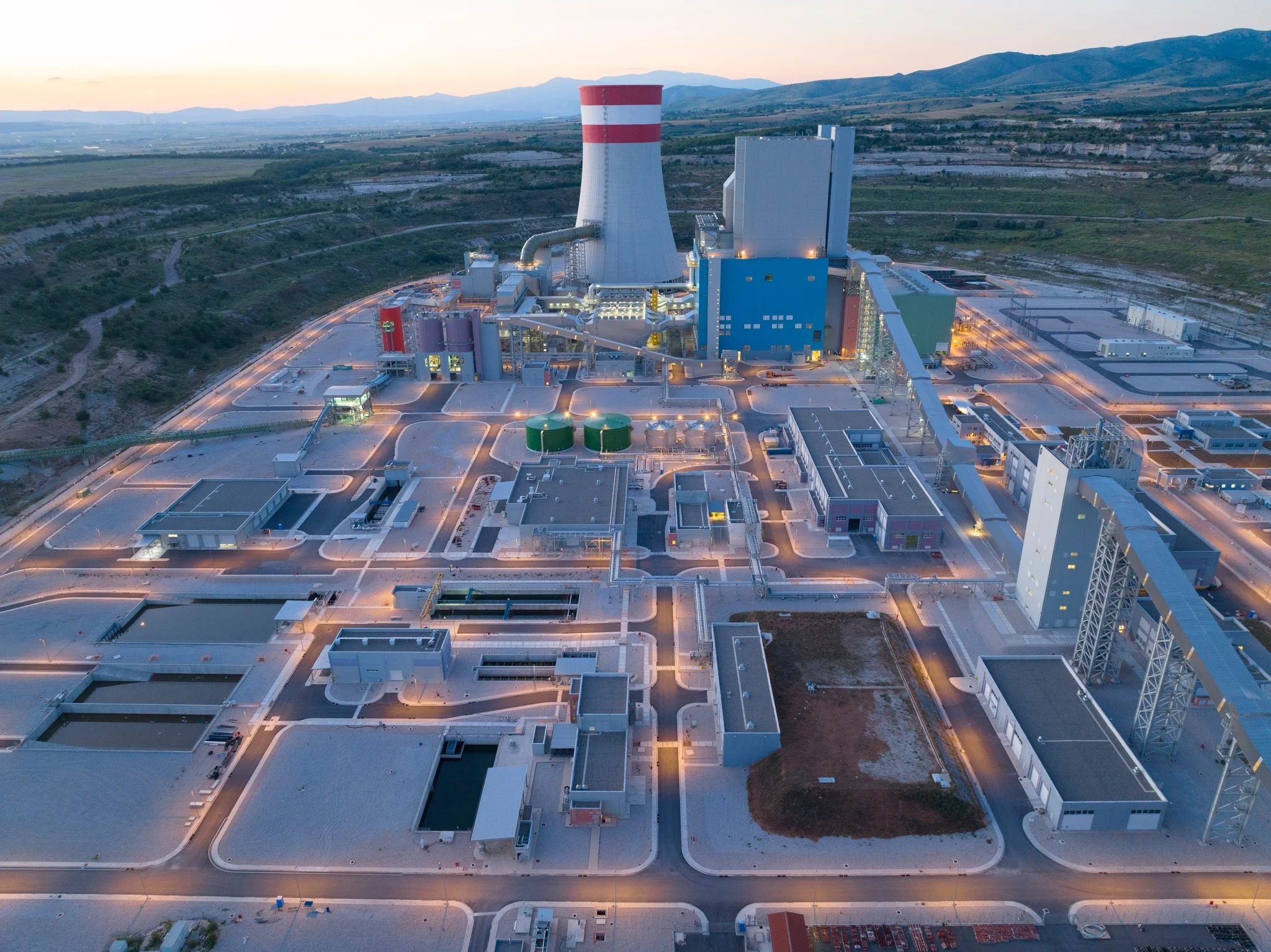
Οι θερμικοί, πυρηνικοί και σταθμοί βιομάζας βασίζονται εκτενώς στον δομικό χάλυβα για:
- δομές λεβήτων
- αίθουσες στροβίλων
- συστήματα στήριξης
- συστήματα ανάκτησης θερμότητας
- πλατφόρμες συντήρησης και δομές πρόσβασης
Ο δομικός χάλυβας αποδίδει αξιόπιστα κάτω από υψηλές θερμοκρασίες και δυναμικά φορτία, εξασφαλίζοντας τη συνεχή και ασφαλή λειτουργία των κρίσιμων διεργασιών.
Υποδομές Μεταφοράς και Διανομής Ενέργειας
Η ασφαλής και αξιόπιστη μεταφορά ηλεκτρικής ενέργειας απαιτεί ανθεκτικές κατασκευές. Για τον λόγο αυτό, ο δομικός χάλυβας χρησιμοποιείται σε:
- ηλεκτρικούς υποσταθμούς
- πύργους μεταφοράς
- πλαίσια στήριξης και γερανούς
παρέχοντας ακρίβεια, αντοχή και ευκολία εγκατάστασης και συντήρησης.
Δομικός Χάλυβας σε Έργα Ανανεώσιμων Πηγών Ενέργειας
Αποθήκευση Ενέργειας και Υδρογόνο
Οι σύγχρονες ενεργειακές υποδομές περιλαμβάνουν:
- συστήματα αποθήκευσης ενέργειας με μπαταρίες
- εγκαταστάσεις παραγωγής υδρογόνου
- στηρίγματα δοχείων πίεσης
- προστατευτικά περιβλήματα ασφαλείας
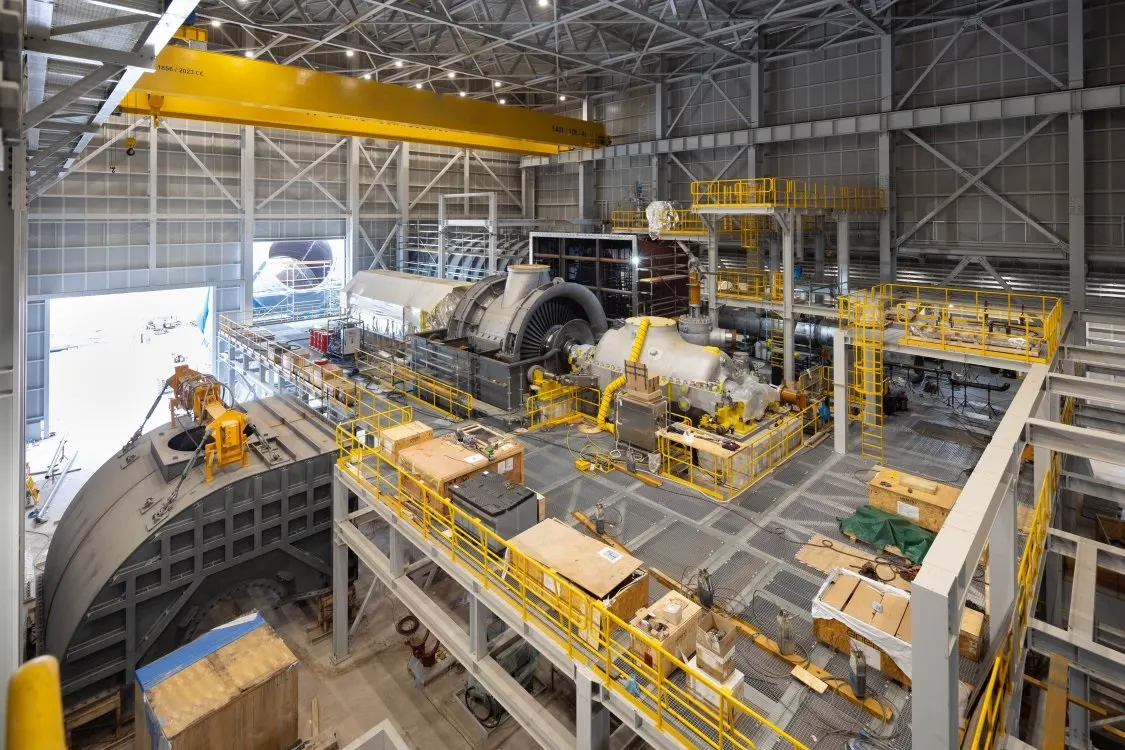
Σε αυτές τις εφαρμογές, η δομική ακεραιότητα συνδέεται άμεσα με τη διαχείριση κινδύνου και την ασφάλεια, καθιστώντας απαραίτητη την κατασκευή χάλυβα υψηλών προδιαγραφών.
Συνήθεις Τύποι Δομικού Χάλυβα σε Ενεργειακά Έργα
1. Ανθρακούχος Χάλυβας
Είναι ο πιο συχνά χρησιμοποιούμενος δομικός χάλυβας με ευρύ φάσμα εφαρμογών. Περιέχει άνθρακα ως το κύριο στοιχείο και οι ιδιότητές του μπορούν να τροποποιηθούν με προσαρμογή της περιεκτικότητας σε άνθρακα. Χρησιμοποιείται ευρέως σε γενικούς σκελετούς, πλατφόρμες και στηρίγματα λόγω της καλής σχέσης κόστους–απόδοσης.
2. Χάλυβας με κράματα
3. Χάλυβας Ανθεκτικός σε Εξωτερικές Συνθήκες
Είναι ένας τύπος χάλυβα που έχει βελτιωμένη αντοχή στη διάβρωση σε σύγκριση με τον ανθρακούχο χάλυβα λόγω της παρουσίας χαλκού, νικελίου και χρωμίου. Χρησιμοποιείται συνήθως σε εξωτερικές εφαρμογές όπως γέφυρες και κτίρια με μειωμένες απαιτήσεις συντήρησης.
4. Ανοξείδωτοι Χάλυβες
5. Σκληρυμένοι και Βαμμένοι Χάλυβες
Είναι ένας τύπος κράματος χάλυβα που χρησιμοποιείται για την κατασκευή εργαλείων, μήτρων και άλλων εξαρτημάτων κοπής. Χρησιμοποιούνται σε βαρέως τύπου εφαρμογές με αυξημένες απαιτήσεις αντοχής και φθοράς.
Πρότυπα, Πιστοποιήσεις και Συμμόρφωση
Ο ενεργειακός τομέας λειτουργεί υπό αυστηρό κανονιστικό πλαίσιο. Η συμμόρφωση με τα πρότυπα ποιότητας και ασφάλειας είναι απολύτως απαραίτητη.
Η κατασκευή δομικού χάλυβα ευθυγραμμίζεται με τα ευρωπαϊκά ή τα βρετανικά πρότυπα, καλύπτοντας:
- ποιότητα και ιχνηλασιμότητα υλικών
- διαδικασίες και πιστοποίηση συγκολλήσεων
- επιθεωρήσεις και δοκιμές
- υγεία, ασφάλεια και περιβαλλοντική προστασία
Η συνεργασία με πιστοποιημένους κατασκευαστές, όπως η K. Liaromatis, διασφαλίζει την πλήρη συμμόρφωση με τις κανονιστικές και τεχνικές απαιτήσεις των ενεργειακών έργων.
Σχεδιασμός, Κατασκευή και Ανέγερση
Στάδιο Σχεδιασμού:
Στάδιο Κατασκευής:
Στάδιο Ανέγερσης:
Επιλογή του Κατάλληλου Συνεργάτη
Η επιλογή συνεργάτη στον τομέα του δομικού χάλυβα είναι στρατηγικής σημασίας. Η K. Liaromatis διαθέτει πολυετή εμπειρία σε έργα παραγωγής ενέργειας.
Με έμφαση στην πιστοποιημένη κατασκευή, την πλήρη ιχνηλασιμότητα και τη συμμόρφωση με τα διεθνή πρότυπα, υποστηρίζει EPC contractors σε όλο τον κύκλο ζωής των έργων.
Συμπερασματικά
Ο δομικός χάλυβας αποτελεί τη βάση των σύγχρονων ενεργειακών υποδομών, προσφέροντας αντοχή, ασφάλεια, ευελιξία και μακροχρόνια αξιοπιστία.
Η συνεργασία με έμπειρους και πιστοποιημένους κατασκευαστές διασφαλίζει ότι οι ενεργειακές εγκαταστάσεις είναι έτοιμες να ανταποκριθούν τόσο στις σημερινές όσο και στις μελλοντικές προκλήσεις του κλάδου.