As per the Reports of Greece Construction Industry Databook Series: “by the end of 2029, the construction sector can expand from EUR 4.18 billion to approximately EUR 5.25 billion.” This shows the strengthening market of steel construction across Greece.
From industrial plants to large-scale fabrication yards, modern steel projects demand safe, precise, and highly efficient material handling systems. This is where Electrical Overhead Travelling (EOT) Cranes play a critical role in the steel construction environment.
EOT cranes provide controlled lifting and movement of heavy steel materials that are needed in construction facilities. But EOT cranes aren’t one size fits all type. Selecting the right crane will directly impact overall operational efficiency and project timeline.
In this guide, we’ll understand types of EOT cranes, why investing in the right EOT crane is essential for modern steel constructions, and more. Let’s dive in!
Why Are EOT Cranes Critical in Steel Construction Today?
The steel construction industry today is evolving due to modern requirements and trends like:
- Larger prefabricated steel assemblies
- Shorter project timelines and tighter delivery schedules
- Stricter lifting, safety, and compliance regulations
- Increased investment in heavy steel, energy, and infrastructure projects
In such cases, steel fabricators and contractors need lifting systems that can repeatedly handle high loads with precision.
EOT Cranes helps with the safe handling of long steel beams, complex steel structures, and plates, while maintaining a consistent workflow across construction sites.
As the name suggests, these cranes operate overhead, eliminating congestion at floor level for people working on the site. This allows multiple workstations within the facility to function consecutively without disturbances – something that’s not possible while working with ground-based equipment.
What EOT Cranes Do in Steel Fabrication & Construction?
The core elements of an EOT crane include the bridge structure, trolley, hoist, runway beams, and electrical control systems, all designed with industrial-duty cycles.
They are designed to move heavy steel components safely throughout the fabrication and construction facility – reducing manual handling of loads, lowering accidents, improving fabrication accuracy, and enhancing output across overall facility operations.
Precisely, EOT cranes’ primary functions include:
- Lifting and transporting steel beams, columns, plates, and assemblies
- Precise positioning during cutting, welding, and assembly processes
- Maintaining continuous material flow across multiple bays
By managing uninterrupted movements of steel structures and making workflows efficient, EOT cranes are playing a vital role in reducing downtime of the steel construction project and ensuring all tasks stay on schedule.
Now, you might be wondering: which type of Electrical Overhead Travelling crane will be useful for your structural steel facility? Let’s solve your confusion.
5 Key Types of EOT Cranes Used in Steel Construction
Electrical Overhead Travelling Cranes are available in multiple configurations to suit different steel construction environments and operational demands. Here are the 5 main types of EOT Cranes that K.Liaromatis provides to match evolving industrial demands:
1. Top Running Cranes
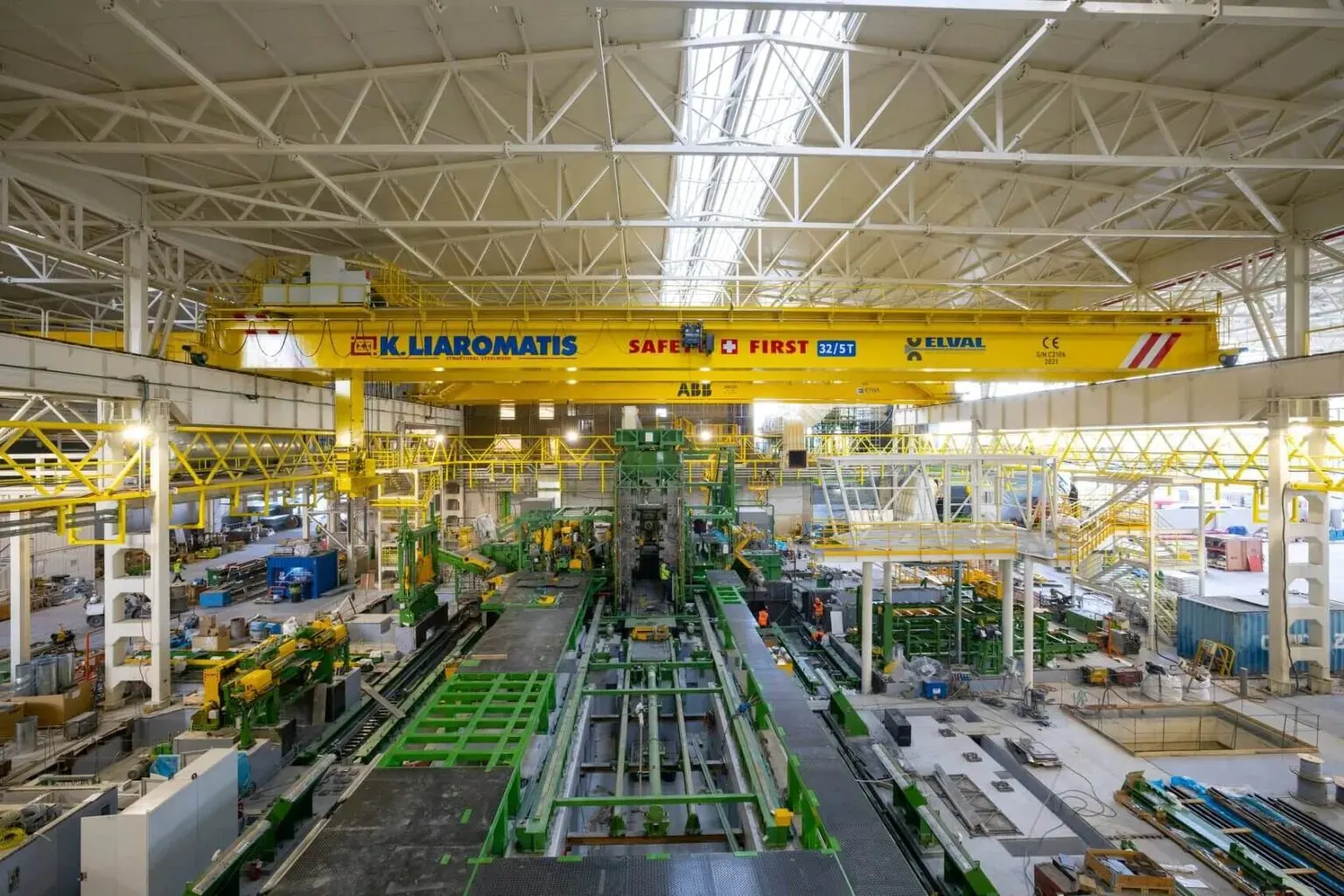
Top Running Cranes operate on rails mounted on crane runway beams. They are ideal for:
- Very heavy steel loads
- Long spans
- High lifting heights
This configuration is widely used in large steel fabrication halls and industrial facilities where structural support is integrated into the building design.
2. Semi & Full Gantry Cranes
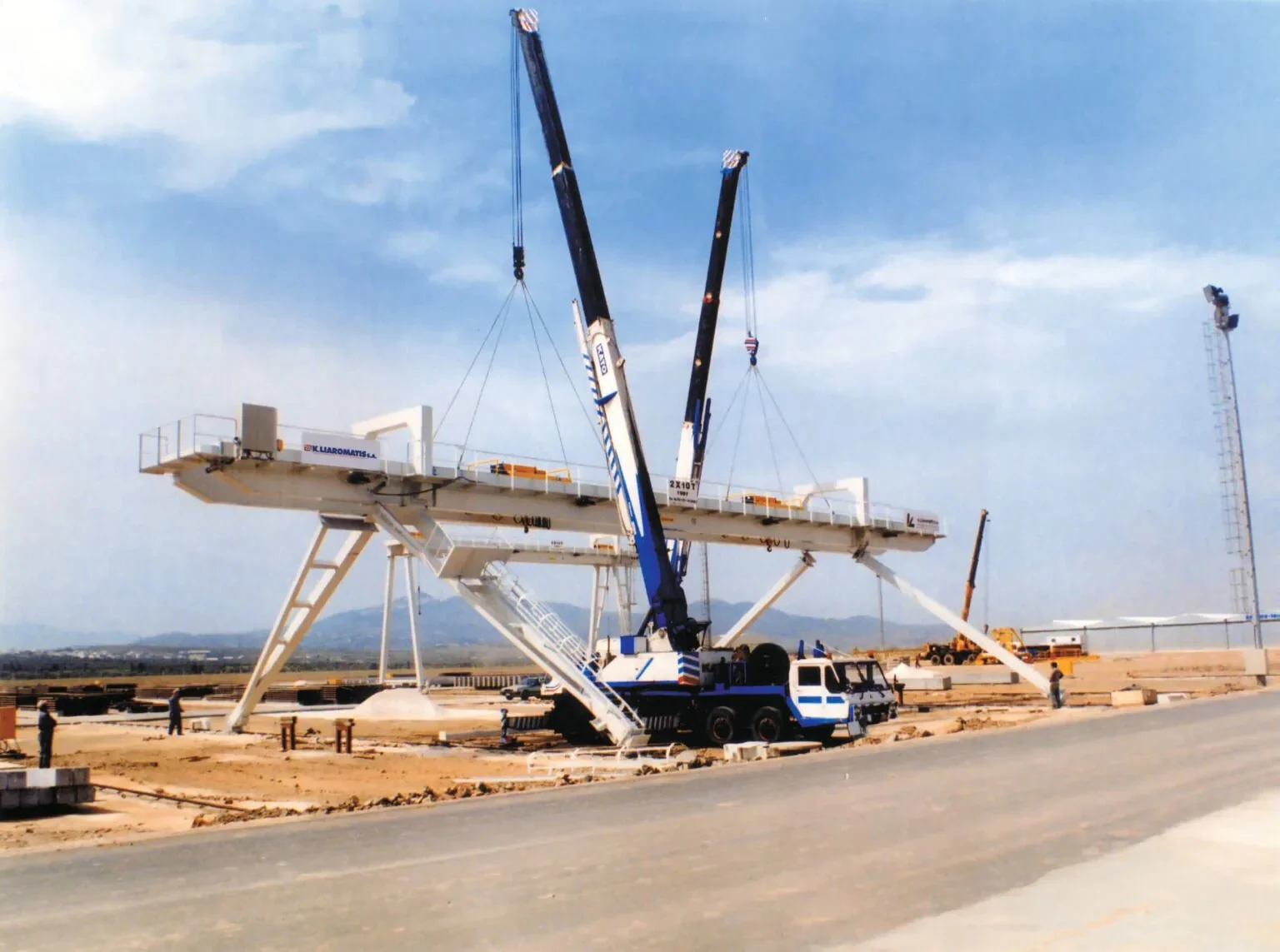
Semi & Full Gantry cranes are commonly used in outdoor steel yards and open fabrication areas. They provide flexibility where overhead building structures are not available and support efficient handling of long steel sections.
3. Jib Cranes
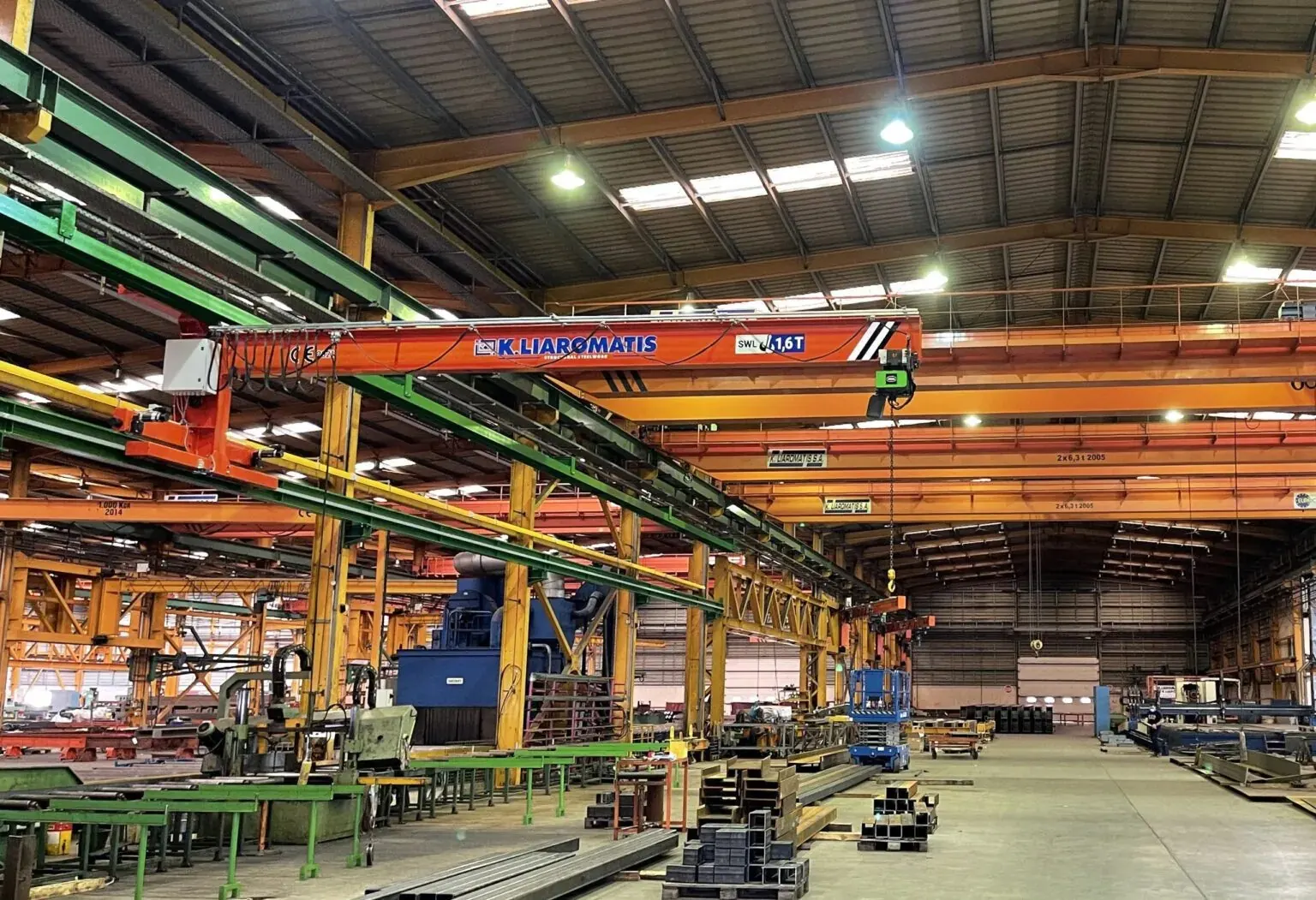
Jib cranes serve specific workstations, assisting with localised lifting during fabrication, assembly, or maintenance tasks. They improve productivity without interfering with main crane operations.
4. Flexible Lifting Systems
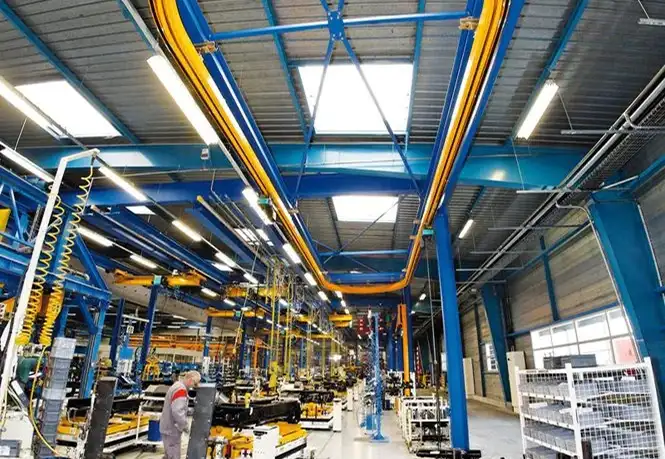
Flexible lifting cranes or systems are used for lighter steel components and sub-assemblies. They improve ergonomics and speed in repetitive handling tasks.
5. Verlinde Equipment
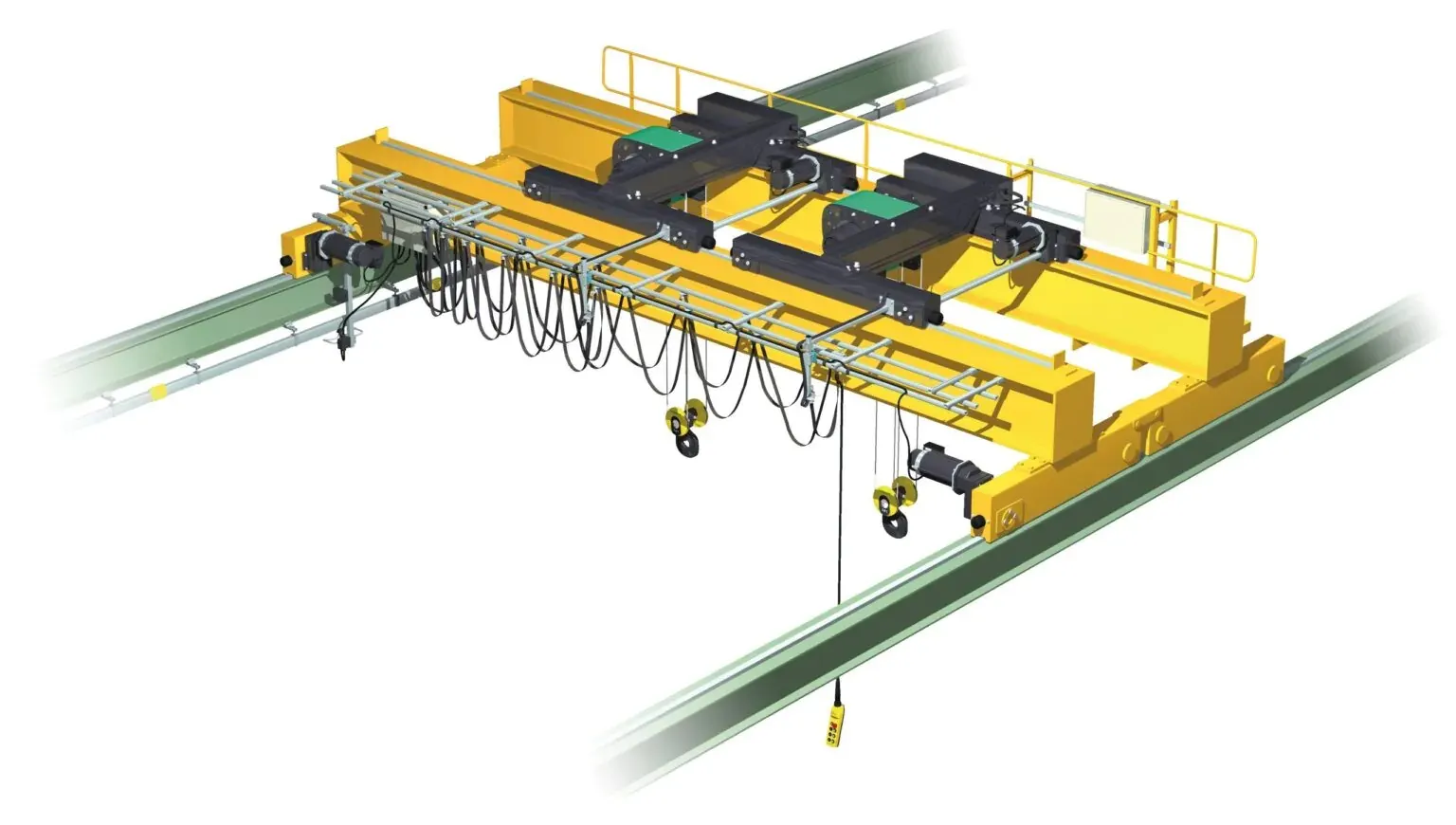
Advanced lifting solutions such as Verlinde equipment offer high-performance hoists and crane components suitable for demanding steel construction applications.
These five are the main types of EOT cranes that are mainly used in different types of steel construction facilities. Now, let’s understand where to use which type of EOT crane.
Industrial Applications of EOT Cranes - When to Use Which?
EOT Cranes are used across a wide range of industrial environments within the steel construction lifecycle. Selecting the right crane configuration depends on various factors, such as:
- The type of operation
- Load characteristics
- Workspace layout
- Operational frequency.
Understanding where each system performs best helps maximise safety, efficiency, and long-term return on investment.
Here are common industrial uses where EOT cranes are used:
1. Steel Fabrication Workshops
In fabrication shops handling beams, plates, and welded assemblies, Top Running Cranes are commonly used due to their high load capacity and ability to cover wide spans.
2. Heavy Structural Steel Plants
EOT Cranes with dual hoists are ideal for facilities producing large prefabricated structures, such as frames, trusses, or industrial modules.
3. Outdoor Steel Yards & Pre-Assembly Areas
When operations extend beyond enclosed buildings, Semi-Gantry and Full Gantry Cranes offer flexibility and stability
4. Workstation-Level Fabrication & Maintenance Zones
5. Multi-Bay Industrial Facilities
In large steel construction plants with multiple bays operating simultaneously, a Double Girder EOT Crane enables continuous material flow across production lines.
Benefits of Using EOT Cranes in Steel Construction Projects
Here’s how using EOT cranes becomes beneficial in steel construction projects:
- Improved Safety: Controlled lifting reduces human exposure to heavy loads, significantly lowering workplace accidents.
- Higher Productivity: Fast and efficient movement of steel components keeps fabrication and construction workflows uninterrupted.
- Precision Handling: Accurate positioning improves welding quality, assembly alignment, and structural tolerances.
- Space Optimisation: Overhead movement keeps floor areas clear for equipment, materials, and personnel.
- Cost Efficiency: Reduced labour dependency, fewer delays, and lower damage risks result in long-term operational savings.
- Operational Reliability: Designed for heavy, repetitive loads, EOT Cranes ensure consistent performance throughout demanding project lifecycles.
Design & Technical Considerations for EOT Cranes
Selecting the right EOT Crane requires careful evaluation of several technical factors:
- Load capacity and duty classification to match steel handling demands
- Span length and lifting height based on facility layout
- Crane runway and building integration with structural steel frameworks
- Electrical controls and automation levels for precision and safety
- Safety systems, including overload protection and emergency stops
Early coordination between crane designers and structural steel fabrication specialists ensures optimal performance and long-term reliability.
Common Mistakes in Crane Selection & How to Avoid Them
Many steel projects face avoidable issues due to poor crane planning, including:
- Underestimating current or future load requirements
- Selecting the wrong crane configuration for workflow needs
- Inadequate integration with the steel building structure
- Ignoring future expansion or capacity upgrades
- Insufficient maintenance and inspection planning
Avoiding these mistakes requires professional assessment, proper system design, and long-term operational planning from the outset.
Conclusion
EOT Cranes are essential for safe, efficient, and high-precision operations in the steel construction industry. From fabrication workshops to large construction facilities, the right crane system directly influences productivity, safety, and project success.
For tailored crane solutions and expert guidance in steel construction projects, contact K. Liaromatis professionals today.
Subscribe To Our Newsletter
Stay updated with our latest insights, news, and exclusive updates!